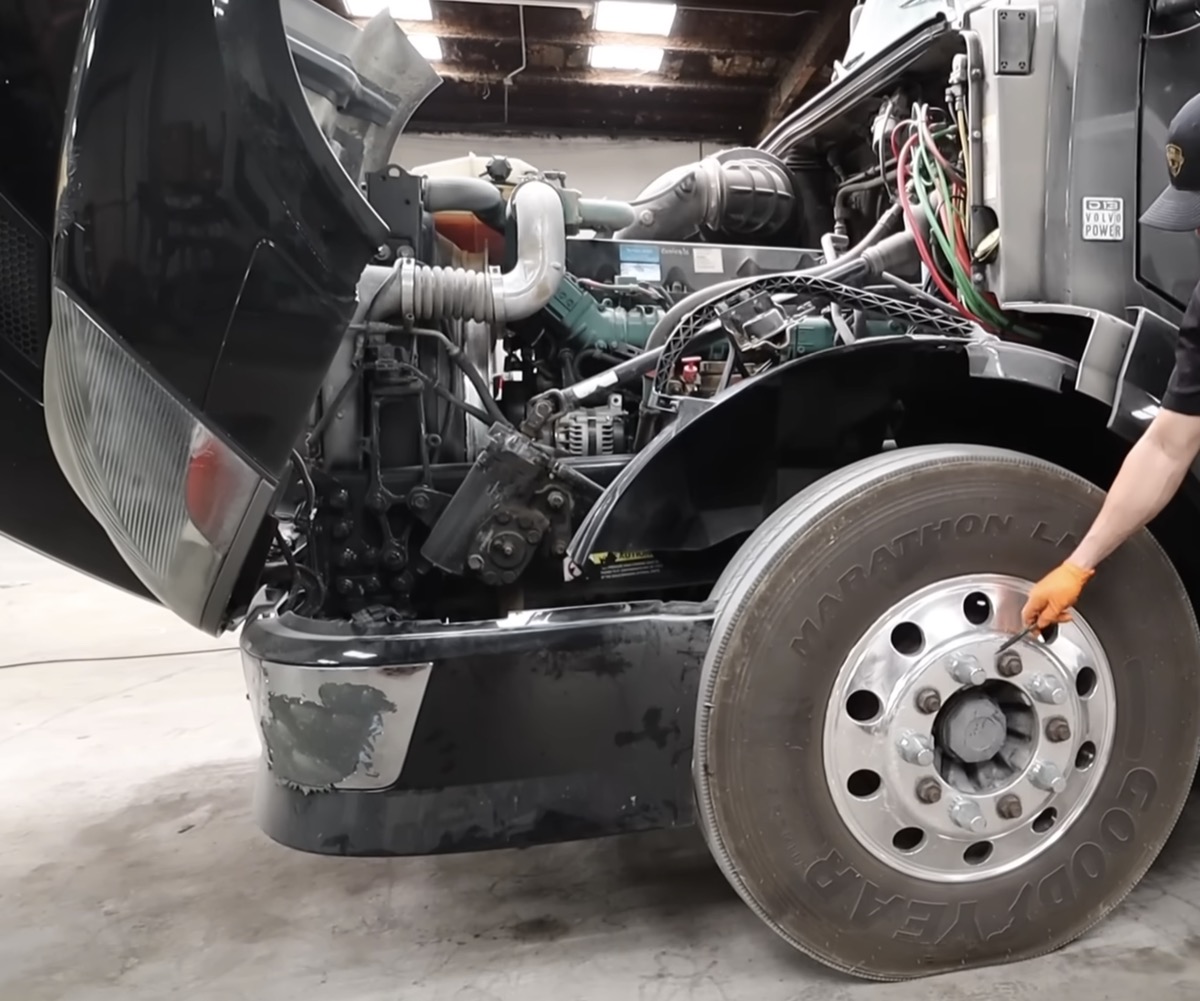
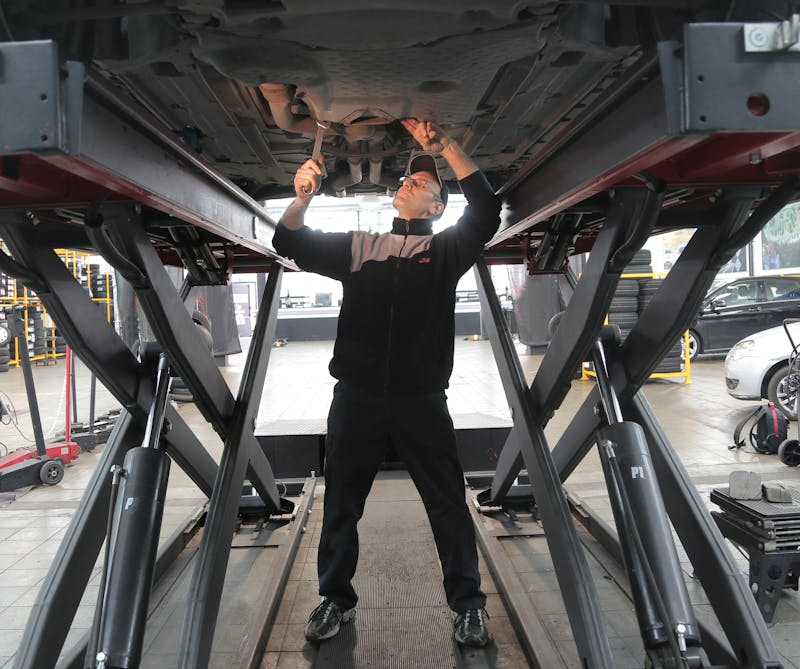
Diesel and no-start service
Scanner-led diagnosis, cranking and fuel tests, cold-weather expertise as a survival trait. Verdicts in plain words.
The Twin Cities run freight through two downtowns, two beltways, and a winter that treats diesel equipment as a personal insult. When a truck quits here, in a Midway yard, on the 494 strip, or at a river terminal dock, hauling it to a bay costs half a day of metro traffic before the first wrench turns. Twin Cities Truck Repair reverses the trip: the technician, the parts, and the plan arrive at the truck.
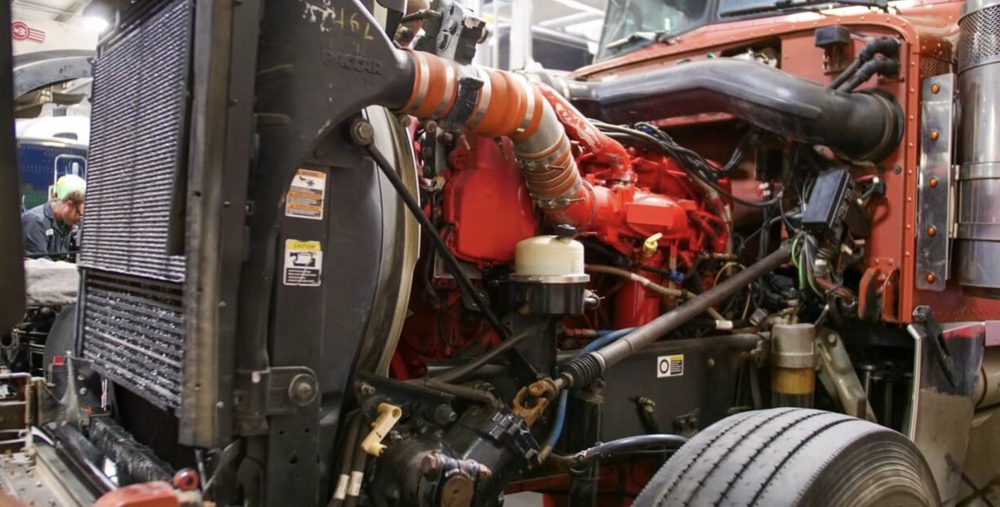
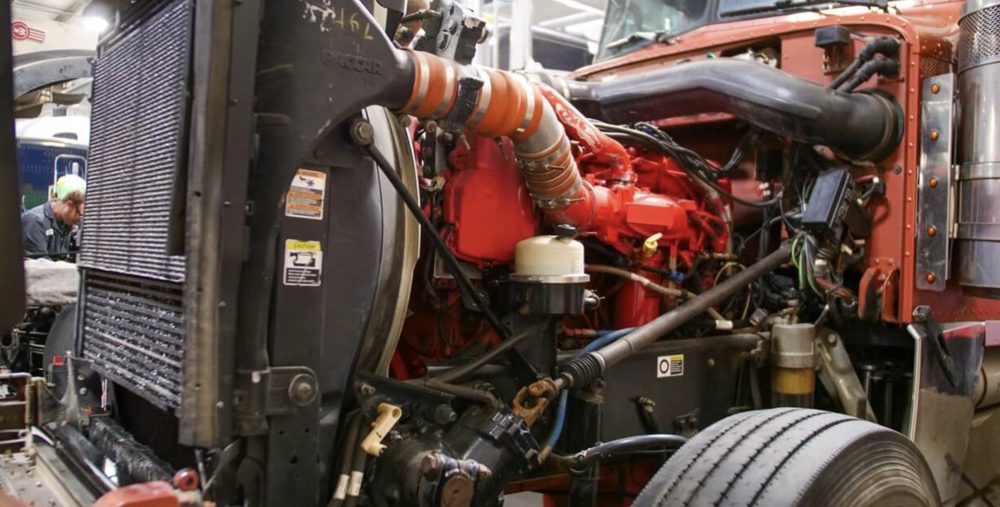
Diesel work, air-system repair, trailer fixes, tire service, electrical chasing, and fleet programs, all designed around the honest fact that January exists here.
From the driver's seat and a careful walk-around:
Scanner-led diagnosis, cranking and fuel tests, cold-weather expertise as a survival trait. Verdicts in plain words.
Frozen valves, leaks, chambers, adjustment. Air dries out or it freezes up, and we keep it the first kind.
Everything a dropped box can fail: circuits, gladhands, hinges, legs. Done at the dock in whatever the sky is doing.
Load-tested, charging-path verified, and replaced in ranked order when winter demands tribute.
Swaps and patches done curbside, pressures set for the season in progress, and pothole victims written into the fleet ledger.
October sweeps, storm-morning yard clears, and the maintenance calendar that makes January survivable.
Give us what happened, the exact spot, the cargo, and whether it rolls. You get back a working theory, a yes-or-no on curbside repair, and a window that already accounts for metro traffic and whatever the sky is running, which in this state co-signs every dispatch six months a year.
From November the winter file opens: sitting time, plug-in status, fuel treatment, block heater history. Minnesota cold is engineering-grade and it audits every assumption a maintenance plan ever made.
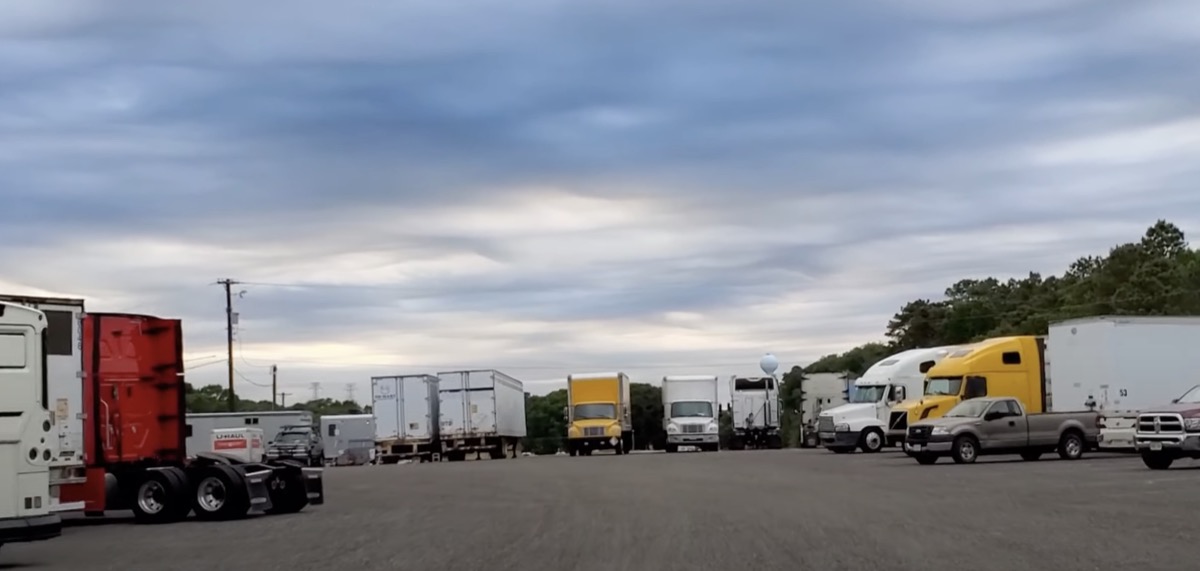
The working geography: I-94 threading the downtowns, I-35 splitting into E and W like the locals, the 494 and 694 loops carrying the freight mass, and the industrial belts of Midway, the North Metro, and the river corridors. Distribution stacks up in Bloomington, Eagan, and Brooklyn Park, and the river terminals add barge-season traffic with its own schedule.
Metro breakdowns are traffic problems wearing mechanical costumes: the same fault needs different plans at a Midway dock, a 35W shoulder, and a February loading lot. Location detail drives everything here, and we ask for it accordingly.
The northern industrial suburbs deserve their own mention: Brooklyn Park, Fridley, and the Anoka-bound corridors run manufacturing freight that predates the distribution boom and outworks most of it. Older equipment, prouder maintenance cultures, and yards that appreciate a wrench that shows up when it said it would.
Twin Cities fleets know their real enemy is the calendar: the first deep freeze and the spring load restrictions bracket a season that stresses everything between. Our accounts get yard rounds planned against that calendar, unit-by-unit records, and pre-winter sweeps booked in October because November books itself. Independents get identical standards and the same winter honesty.
Verdicts close every visit: cleared, watch-listed, or shop-referred with the workup attached. Dispatch needs decisions and we manufacture them on site.
Do not crank it into submission, that only adds a starter to the invoice. Note what the dash showed, get somewhere warm, and call. Deep-cold no-starts follow a known script and we bring the whole script with us.
One call, full unit list, route priorities stated. We clear yards in one planned pass, worst-first, and the October winterization customers watch from inside.
Yes, the metro is one territory to us: both cities, both loops, and the distribution belts beyond them. Windows get quoted against real traffic, not wishful maps.
The terminals are regular stops during the season. Dock schedules get respected, gate rules followed, and equipment that lives outdoors gets the corrosion attention it deserves. Barge-season equipment sits idle half the year, which is exactly the failure profile our off-season checks exist for.
They change routes, which changes duty cycles, which changes what fails. We time spring inspections to the restriction calendar so trucks re-enter full loads with everything torqued and tested.
Freight here moves at dawn and after dark by design, and January does not observe office hours. The line answers, the triage holds, all calendar entries included.
Daily, especially in winter when hydraulics thicken and switches corrode. A gate that quits with a pallet aboard is an emergency with an audience, and we treat it like one.
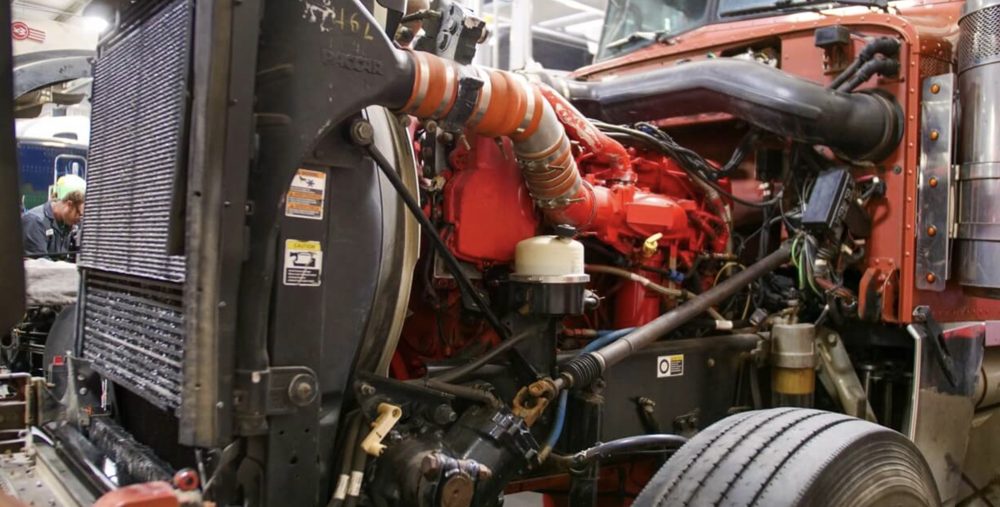
The cold here is not weather, it is a materials test. Rubber hardens, metal shrinks, batteries surrender in ranked order of age, and air systems find every trace of moisture and freeze it somewhere expensive. Our winter stock reads like a siege inventory and the October yard sweep keeps proving itself the highest-return line in a metro fleet's budget. We will keep saying it as long as it keeps being right.
Spring brings load restrictions and the pothole harvest, summer brings genuine heat that surprises out-of-state drivers, and the whole cycle keeps a mobile service truck honest. We flip stock by season and read the forecast like dispatchers, because here the forecast is dispatch.
One more local truth: distances inside the metro deceive. Twenty miles of loop at the wrong hour outlasts sixty miles of prairie, so our windows quote clock time, not map miles, and they hold up in traffic court.
The Cities' grocery and food-service distribution runs refrigerated equipment through both temperature extremes: boxes fighting July from the inside and January from both sides. Trailer-side reefer support gets cargo-first triage, and the pre-season checks catch the door seals and circuits that waste diesel quietly all year. Cold chain in a cold state is its own discipline, and it is one of ours.
Every fall we give the same short speech and every January it pays somebody's payroll: test the batteries while it is warm, service the air dryers before they matter, treat the fuel before the first hard night, and plug the trucks in like you mean it. Winterization is not a product we invented, it is the entrance fee Minnesota charges for running diesel equipment, and the fleets that pay it in October spend February hauling instead of thawing.
When the frost comes out and the road limits drop, metro routes reshuffle for weeks and equipment picks up duty it was not planned for. We time spring inspections to that reset: everything winter loosened gets torqued, everything the potholes bruised gets gauged, and the trucks meet full legal loads again with nothing left over from February.
Minneapolis and St. Paul argue about everything except logistics: the freight is shared, the traffic is mutual, and a truck dead on either side bleeds the same money. Mobile repair suits the geography perfectly, because the fix crosses the metro faster than any tow and the truck never surrenders its spot in the day. That is the whole pitch, and the winters make it twice.
Location, failure, cargo, and the winter file if it is that season. Verdict, window, technician moving. Minnesota-grade plain talk included at no charge.
Local service detail
Twin Cities truck repair calls can change quickly with weather, traffic, and yard access, so this service lane highlights the route and symptom details that matter before dispatch.